What is Digital Marketing?
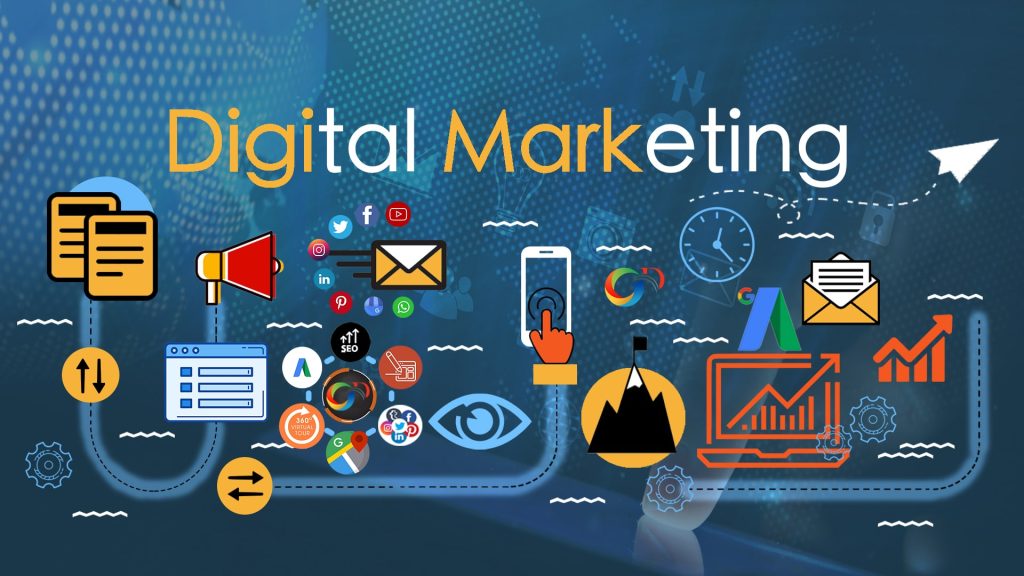
Digital Marketing is the practice of promoting products, services, or brands using digital technologies and online platforms.
It Includes all forms of marketing done via the internet, electronic devices, and digital channels like websites, search engines, social media, email, and mobile apps.
Unlike traditional marketing (TV, Radio, print ads, billboards), digital marketing is interactive, measurable, cost- effective, and highly targeted.
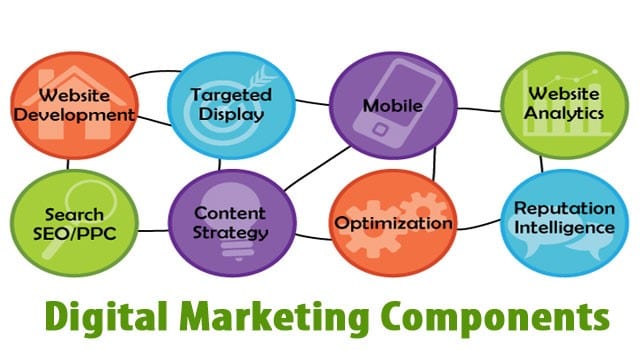
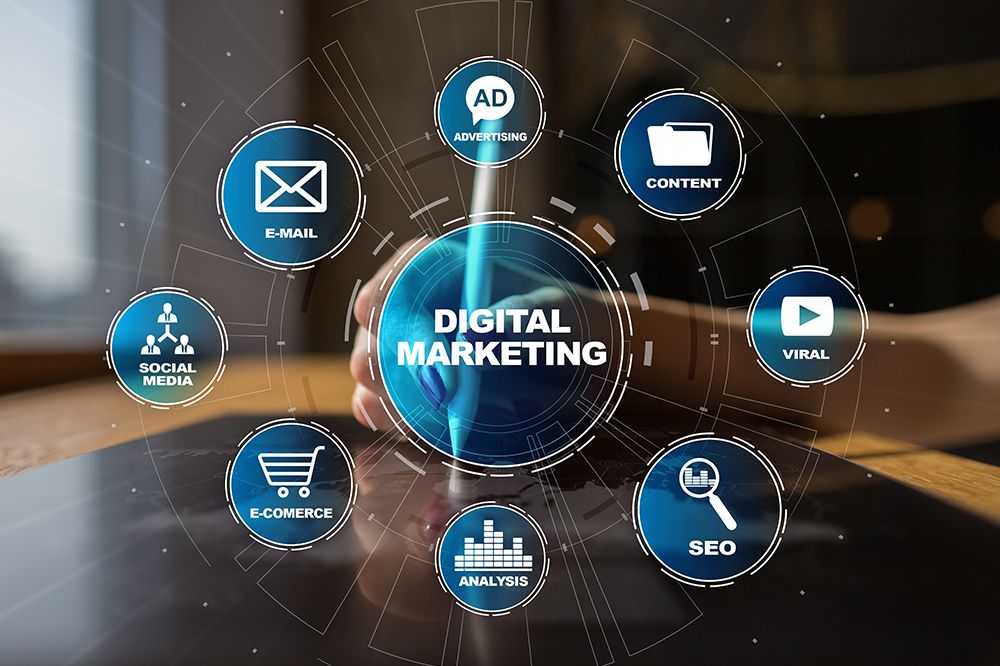
Key components/ Types of Digital Marketing
1. Search Engine Optimization (SEO)
Focuses on keywords, quality content, backlinks, and technical setup.
Goal: Rank higher organically (without paying for ads).
Process of Improving website visibility in search engines like Google.
2. Search Engine Marketing (SEM) & PPC Advertising
Paid advertising on search engines ( Google Ads, Bing Ads).
PPC = Pay-Per-Click -> you pay only when someone clicks your ad.
Useful for quick visibility and driving targeted traffic.
3. Content Marketing
Creating Valuable content (Blogs, Videos, Infographics, eBooks, Podcasts).
Goal: Attract, Engage, and Retain Audiences.
Builds Authority and Trust over time.
4. Social Media Marketing ( SMM)
Using Platforms like Facebook, Instagram, Linkedln, TikTok, YouTube, Twitter/X.
Includes both Organic Posting and Paid ads.
Great for brand awareness, customer engagement, and lead generation.
5. Email Marketing
Sending targeted messages (Newsletters, Promotions, Personalized Offers.
Builds customer loyalty and retention.
Still one of the highest ROI channels.
6. Affiliate Marketing
Earning commissions by promoting others’ products/services.
Popular with bloggers, influencers, and e-commerce platforms.
7. Influencer Marketing
Collaborating with influencers (social media personalities, bloggers, YouTubers).
Helps brands tap into pre-built, engaged audiences.
8. Mobile Marketing
Ads and campaigns delivered through SMS, apps, or mobile-optimized sites.
Location-based targeting is common.
Why Choose Digital Marketing?
High demand: Almost every business needs an online presence, so skilled digital marketers are in demand worldwide.
Variety of roles: You can specialize in SEO, content marketing, social media, paid ads, email marketing, analytics, influencer marketing, and more.
Remote-friendly: Many digital marketing jobs can be done remotely or freelance, offering flexibility.
Growth potential: With experience, you can move into management, consulting, or even start your own agency.
Continuous learning: The industry changes quickly, so you’re always picking up new skills and tools.
Final Verdict
– Great Careers Growth (High Demand +High Salaries)
-Affordable & Effective Marketing for Businesses
-Flexibility, Creativity, and Freedom to work Globally or independently
-Future relevance in a world that’s becoming more digital everyday
Pros & Cons of a Digital Marketing Career
Pros
-
High demand, lots of jobs
-
Flexibility (remote/freelance options)
-
Good earning potential with growth
-
Creative + analytical mix
-
Opportunities across industries
Cons
-
Constant learning (algorithms, tools, and platforms change fast)
-
Highly competitive field
-
Can be stressful (clients/employers expect measurable results)
-
Requires both creativity & technical skills
Benefits of Digital Marketing
1. Global Reach
-
Traditional marketing is limited to a specific region (TV, radio, local newspapers).
-
Digital marketing allows businesses to reach audiences worldwide instantly through websites, social media, and ads.
2. Cost-Effective
-
Running ads online (Google Ads, Facebook Ads) is usually much cheaper than TV commercials or print ads.
-
Even with a small budget, businesses can reach thousands of people.
3. Targeted Audience
-
You can show ads only to the people most likely to buy (based on age, location, interests, income, behavior).
-
Saves money and increases conversion rates.
4. Higher Engagement
-
Social media, blogs, and emails allow businesses to directly interact with customers.
-
Likes, comments, shares, and reviews build stronger connections.
5. Flexibility & Adaptability
-
Campaigns can be launched, paused, or adjusted instantly.
-
A business can test multiple strategies (A/B testing) to see what works best.
6. Personalization
-
Digital tools allow sending personalized messages (e.g., “Hello [Name], here’s 10% off for you”).
-
Improves customer experience and loyalty.
7. 24/7 Marketing
-
Websites, ads, and social media posts work around the clock.
-
Businesses can generate leads and sales even while they sleep.
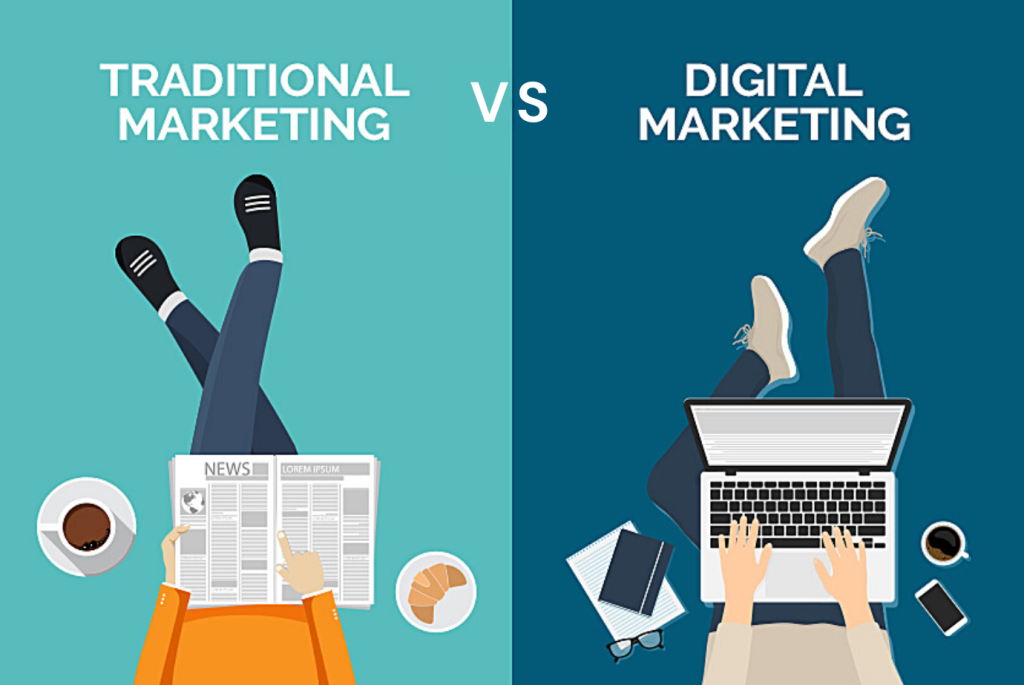
Traditional Marketing
Medium– TV, Radio, Newspapers, Billboards
Cost– High
Reach– Limited to location/region
Interaction– One-way (brand → audience)
Tracking Results– Hard to Measure
Speed– Slow
Digital Marketing
Medium– Websites, Social Media, Search Engines, Email
Cost– More Affordable
Reach– Global Reach
Interaction– Two Way( Brand↔ audience)
Tracking Results– Easy with analytics tools
Speed– Instant (ads, posts, campaigns)
Essential Digital Marketing Skills
Technical Skills
- SEO & SEM Techniques
- Analytics tools (Google Analytics, etc.)
- Content Management Systems
- Email Marketing Platforms
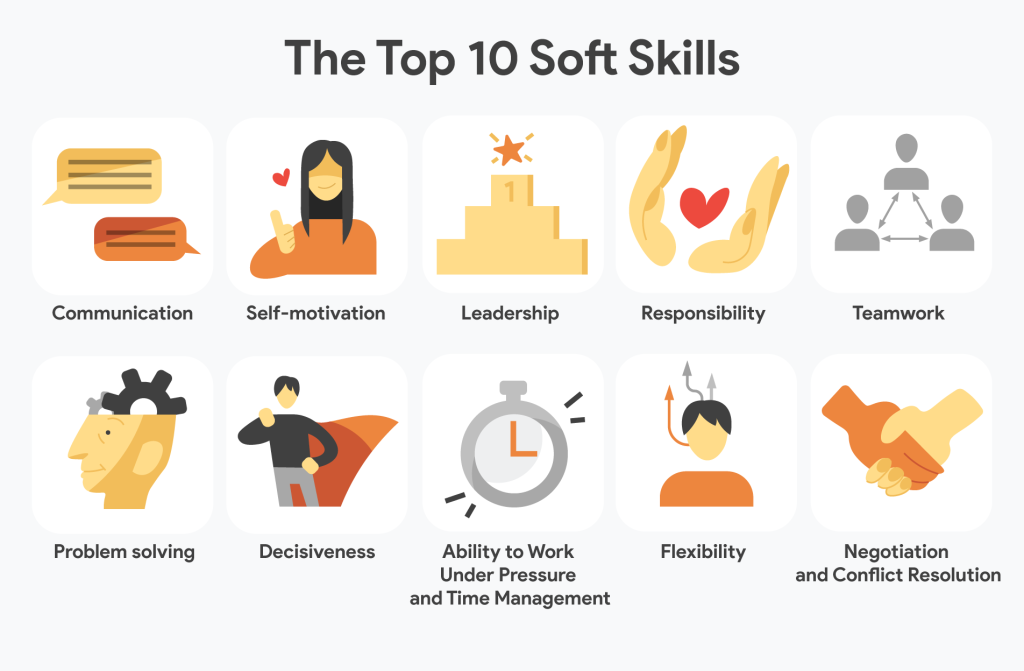
Soft Skills
- Creativity & Innovation
- Analytical Thinking
- Communication Skills
- Adaptability to change
Challenges to keep in mind
Fast-changing industry: What works today might not work tomorrow (Google algorithm updates, new platforms, etc.).
Competitive: Many people are entering the field, so standing out requires continuous skill development.
Results-driven: Employers and clients often expect measurable results (traffic, sales, leads), which can be stressful.
Popular Digital Marketing Career Paths
SEO Specialist
Focus on improving website visibility in search engines through technical optimization, content strategy, and link building.
Content Marketer
Create and distribute valuable content to attract and engage target audiences, driving customer action and loyalty.
Social Media Manager
Develop and implement social media strategies to build brand presence, engage communities, and drive conversions.
PPC Specialist
Manage paid advertising campaigns across platforms like Google Ads and social media to generate leads and sales.

What Skills & Qualities Will Make You Succeed
To maximise your chances of not just having a job, but doing well and earning well in digital marketing in 2025, these are the skills and qualities to focus on:
- Strong analytical skills: Being able to interpret data (Google Analytics, Ad metrics, etc.), see what’s working / not, and make decisions.
- Understanding of AI tools: Using AI for content suggestion, automations, personalization etc. Knowing how to combine AI + human creativity.
- Content creation & storytelling: Quality content (blogs, video, social media posts) still matters a lot. Creativity, uniqueness, authenticity are valuable.
- Specialisation: Deep skills in areas like SEO, SEM/PPC, email marketing, influencer / affiliate marketing, performance marketing.
- Up-to-date with platforms & trends: Knowing the latest in social media, video content, short-form content, voice search, etc.
- Good communication & project management: Ability to work with teams/clients, manage campaigns end-to-end.
How to Build a Strong Digital Marketing Career
- Get certifications: In relevant tools/platforms (Google Ads, Meta, HubSpot, etc.) to boost credibility.
- Portfolio / project experience: Work on real or simulated campaigns; even freelance or internships help.
- Stay up to date: Attend webinars, follow industry blogs, experiment with new ad-platforms etc.
- Network: With other marketers, agencies, and clients. May lead to better jobs or freelancing.
- Be adaptable: Be ready to pivot as new tools or platforms emerge.
- Measure everything & show results: Being data-driven can set you apart.
Salary potential
- Entry-level digital marketers may earn modestly at first, but specialized skills (SEO, PPC, data analytics) often lead to high-paying roles.
- Experienced professionals and consultants can make very strong incomes, especially if they manage large campaigns or run their own business.
It’s a great fit if you enjoy creativity, data analysis, problem-solving, and staying up to date with online trends.
Conclusion
Digital Marketing in 2025 is certainly a good career choice – especial for people who are eager to learn, adapt, and specialise. The landscape is dynamic: with opportunities growing in e- commerce, mobile, AI, Short-Form, Content, and more. But simply “being in digital marketing” is not enough; to really succeed, you’ll need to keep up with trends, sharpen your skills, and focus on delivering measurable value.